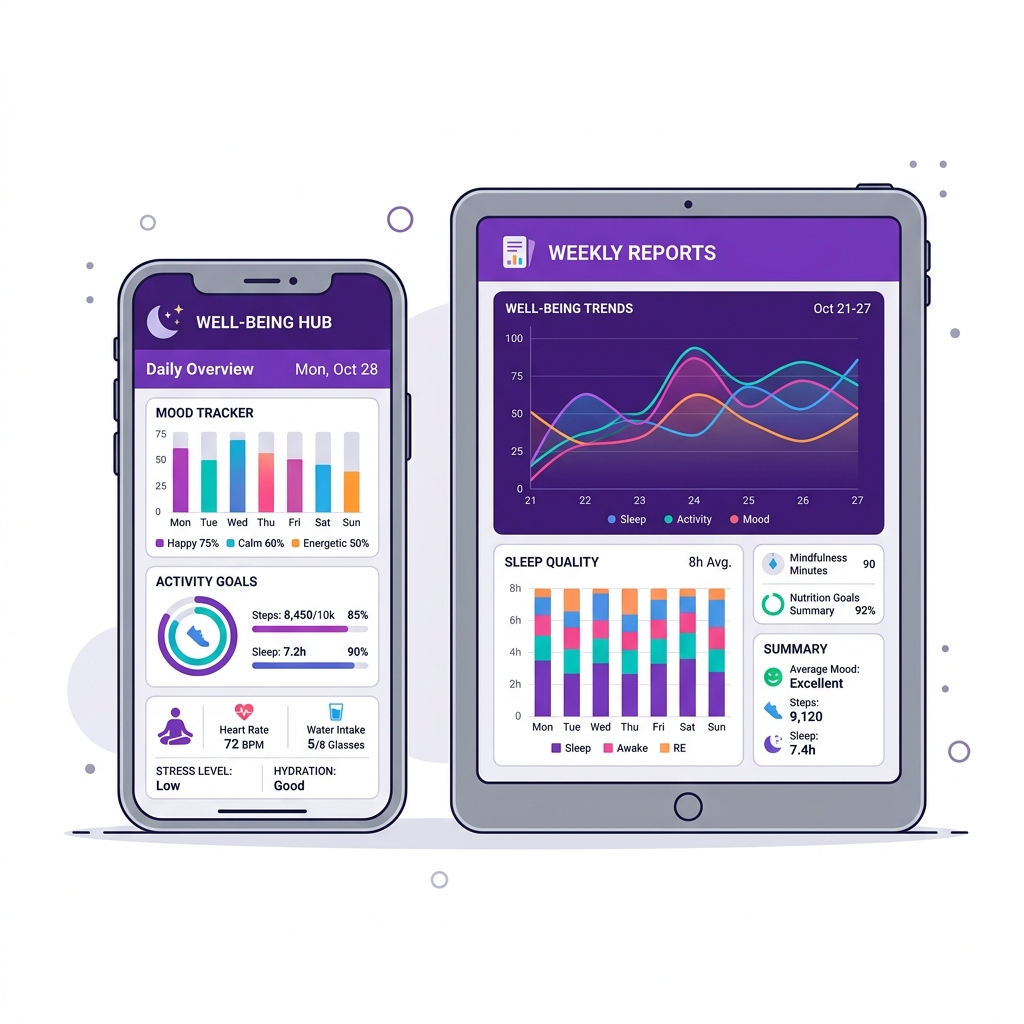
The average person spends more time looking at digital displays than they do sleeping. While smartphones, laptops, and televisions are essential to modern workflows and leisure, excessive screen exposure presents significant health risks. Understanding how much screen time is too much is critical to protecting your vision, sleep cycles, and posture. Using a dedicated screen time calculator app or checking a screen time calculator online helps you monitor your exposure, evaluate digital health risks, and follow ergonomic guidelines. It serves as an average screen time calculator for all your devices.
The Biological Impact of Excessive Screen Exposure
Our eyes and bodies are not biologically designed to stare at bright, flat, close-up glass displays for hours on end. Prolonged screen exposure affects the body in several ways:
- Computer Vision Syndrome (Digital Eye Strain): Staring at screens reduces your blink rate by up to 50%, leading to dry eyes, irritation, blurred vision, and tension headaches.
- Melatonin & Sleep Cycle Disruption: Digital screens emit high-energy blue light wavelengths. Exposure to blue light in the evening suppresses melatonin production (the hormone responsible for sleep), making it harder to fall asleep and reducing sleep quality.
- Musculoskeletal Strain (Text Neck): Leaning forward or slouching over phones and laptops places excessive stress on the cervical spine. This can lead to chronic neck, shoulder, and back pain.
Evaluating Risks: Recommended Screen Limits
World health organizations outline age-specific limits for daily leisure screen time:
- Toddlers & Children (Under 5): Less than 1 hour per day of high-quality, educational programming. Minimizing screen exposure is critical for healthy brain development.
- Older Children & Teens: Less than 2 hours per day of non-work/non-school leisure screen time.
- Working Professionals & Adults: While work screen hours are often fixed, leisure screen time should be restricted to under 2 hours daily. Regular breaks are essential during work hours.
Our online system operates as a screen time calculator android or screen time calculator iphone tracker, aggregating your phone, laptop, and television hours to display a visual exposure meter and compare your totals directly with medical standards.
Actionable Guidelines for Digital Wellness
To maintain eye health and good posture without disconnecting from technology, implement these ergonomic habits:
- Follow the 20-20-20 Rule: Every 20 minutes, take a 20-second break to look at an object at least 20 feet away. This relaxes the ciliary muscles in the eyes, preventing eye strain.
- Adjust Screen Position: Position your laptop or desktop screen so that the top of the monitor is at or slightly below eye level, about 20 to 28 inches from your face. This reduces neck and eye strain.
- Enable Blue Light Filters: Use "Night Shield" or blue light filtering software on your devices in the evening to protect your sleep cycles.
- Blink Regularly: Remind yourself to blink to keep your eyes moist, or use lubricating eye drops if you work in dry, air-conditioned rooms.
Why Use an Online Screen Time Tracker?
Tracking your media habits manually is difficult. Our client-side screen time calculator makes it easy:
- Cumulative Math: It aggregates phone, computer, and TV hours, and projects your total weekly, monthly, and yearly screen exposure. Seeing the annual total in days is often a powerful motivator for change.
- Dynamic Risk Badges: The tool categorizes your risk level as Low, Medium, or High, and displays tailored health recommendations.
- 100% Privacy Guarantee: Your screen hours are calculated locally in your browser sandbox. We do not store or track your data, ensuring complete privacy.
Frequently Asked Questions (FAQ)
Every 20 minutes, look at an object at least 20 feet away for at least 20 seconds. This simple habit relaxes the focusing muscles in your eyes, reducing digital eye strain.
Blue light wavelengths emitted by screens suppress the production of melatonin, a hormone that regulates sleep-wake cycles. Restricting screen use 1-2 hours before bed helps protect your sleep quality.
No. ihatetool.com operates completely client-side. Your inputs are processed locally on your device and are immediately discarded when you close the tab.
Conclusion
Managing your digital habits is essential for long-term health. Try our client-side Screen Time Calculator to evaluate your daily screen exposure and receive personalized ergonomic recommendations.